Mild Traumatic Brain Injury Treatment in Meridian, Idaho
July 22, 2026


Meridian residents dealing with concussion or mild TBI have real, specialized options close to home. The clinics below offer symptom-directed care, multi-disciplinary teams, and programs built around getting you back to your life safely.
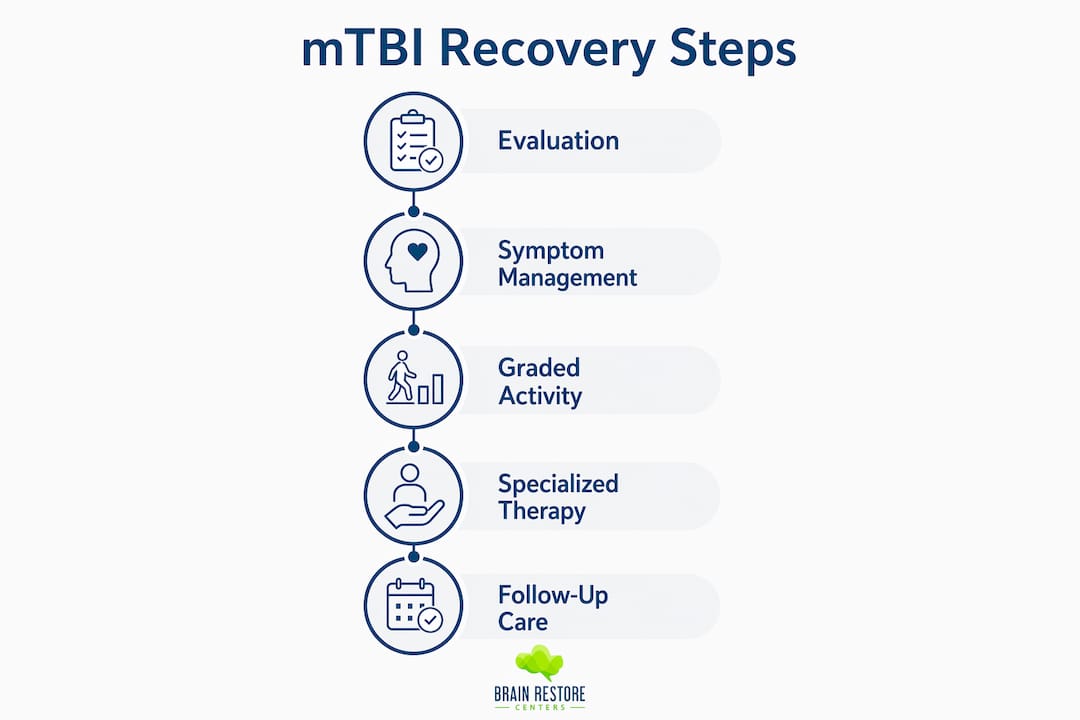
All three programs address the core pillars of mTBI recovery: symptom evaluation, graded activity resumption, and coordinated follow-up care.
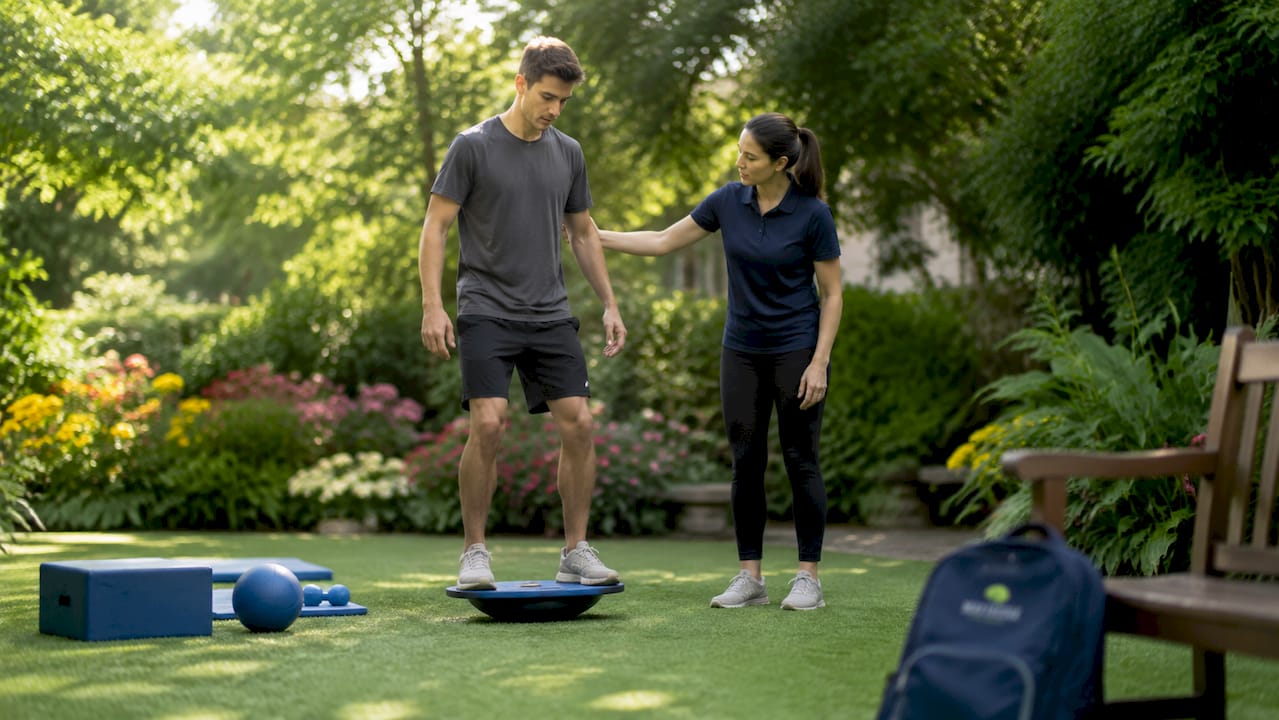
Choosing between providers is easier when you can see their differences side by side. Each clinic takes a distinct approach to concussion treatment, patient support, and accessibility.

| Provider | Services Offered | Treatment Approaches | Patient Support and Follow-Up | Location and Accessibility | Best For |
|---|---|---|---|---|---|
| Northwest Accident And Injury Clinic | Concussion testing, vestibular rehab, oculomotor therapy, cervical spine treatment, exertional testing | CCMI-partnered evidence-based protocols, graded exercise, integrated physical rehab | Coordinated multi-disciplinary follow-up; insurance accepted | Serves Meridian and the surrounding area | Patients needing structured, evidence-based concussion rehab |
| St. Luke’s Rehabilitation Hospital | Inpatient and outpatient TBI rehab, neuropsychological testing, return-to-play and return-to-learn programs | Six-stage return-to-play protocol, interdisciplinary team care, baseline testing | Dedicated specialist team; personalized care plans | Boise/Meridian area; broad accessibility | Patients needing extensive or inpatient rehabilitation |
| Klinic | Concussion evaluation, therapy, patient education programs | Patient-focused evaluation and guided recovery | Emphasis on education and community support; many insurance plans accepted | Community-accessible location | Local patients seeking accessible evaluation and therapy |
Northwest Accident And Injury Clinic stands out for its CCMI partnership, which means your care follows a tested, structured protocol rather than a generalized approach. Their exertional testing is particularly useful: it identifies how physical effort affects your symptoms, which guides exactly when and how you can safely increase activity. Vestibular and oculomotor dysfunction that persists beyond 3–4 weeks after injury should receive focused rehabilitation, and this clinic’s integrated approach addresses both directly.
St. Luke’s Rehabilitation Hospital brings the depth of a full hospital-based program. For patients whose symptoms are severe enough to require inpatient care, or who need neuropsychological evaluation alongside physical rehab, St. Luke’s offers a breadth of services that smaller clinics cannot match. Their six-stage return-to-play protocol is a structured, clinician-supervised path back to sport, with each stage requiring a minimum of 24 hours before progression.
Klinic suits patients who want a straightforward entry point into concussion care, particularly those prioritizing insurance accessibility and community-based support.
Pro Tip: Ask your provider whether they use a formal concussion symptom checklist at each visit. Clinics that track your symptom profile over time can adjust your treatment plan as you progress, rather than applying the same protocol regardless of how you’re responding.
The right provider for you depends on more than geography. These are the factors that actually shape your recovery.
Red flags that require urgent attention include a worsening headache, repeated vomiting, one pupil larger than the other, slurred speech, seizures, or increasing confusion. Any of these after a head injury warrants an emergency visit, not a scheduled appointment.
Pro Tip: Prioritize clinics that build a gradual return-to-activity plan with you, not for you. Cognitive rest matters early, but prolonged isolation from activity can increase anxiety and slow healing. The best providers balance both.
Recovery from a concussion follows a predictable arc, though the pace varies by person. Understanding the stages helps you set realistic expectations and recognize when something is off.
The first 24–48 hours call for relative rest, not total shutdown. Modern clinical guidelines discourage prolonged bed rest because it can worsen anxiety and delay recovery. After that initial window, graded physical and cognitive activity begins under clinical supervision, with intensity increasing only as symptoms allow.
Common therapy types used in Meridian clinics include:
As of 2026, no FDA-approved medications exist specifically for mTBI. Treatment is symptom-directed and shared between you and your clinician, which is why finding a provider who listens carefully to your priorities matters so much. Most patients recover within a few weeks with appropriate care. Symptoms that persist beyond that window, particularly vestibular or oculomotor issues, call for focused specialist referral rather than continued watchful waiting.
For patients managing post-concussion headaches or working toward a staged return to work, structured guidance from a specialized clinic makes a measurable difference in how quickly and safely you get there.
If you’re looking for something beyond standard concussion protocols, Brainrestoremeridian in Meridian, Idaho, brings together therapies that most local clinics don’t offer under one roof.
The clinic combines neurofeedback, laser therapy, chiropractic care, hyperbaric oxygen therapy, and functional medicine into personalized recovery plans built around your specific symptoms. Neurofeedback for anxiety relief is one example: it trains your brain’s electrical patterns directly, which can reduce the anxiety and cognitive fog that often linger after a mild TBI. Laser therapy supports neurological recovery by reducing inflammation at the cellular level. Functional medicine for TBI healing looks at the whole picture, including nutrition, hormones, and gut health, because recovery rarely happens in isolation from the rest of your body.
Brainrestoremeridian is the right fit for patients who have completed initial concussion care and still have lingering symptoms, or for those who want an integrative approach from the start. Schedule a consultation to find out which combination of therapies fits your recovery goals.
Specialized, multidisciplinary care is the most effective approach to mild traumatic brain injury treatment in Meridian, with symptom-directed rehabilitation and early provider engagement producing the fastest, most durable recoveries.
| Point | Details |
|---|---|
| Early treatment speeds recovery | Patients who seek early provider guidance have quicker recovery and lower risk of persistent symptoms. |
| Rest then gradual activity | Relative rest for 24–48 hours is recommended, followed by graded activity under clinical supervision. |
| Symptom-directed, no one-size approach | No FDA-approved medications exist for mTBI; treatment targets your highest-priority symptoms specifically. |
| Vestibular and sleep care matter | Persistent vestibular issues beyond 3–4 weeks need focused rehab; CBTi is first-line for post-mTBI insomnia. |
| Brainrestoremeridian for integrative care | Brainrestoremeridian offers neurofeedback, laser therapy, and functional medicine for patients seeking advanced mTBI recovery in Meridian. |